
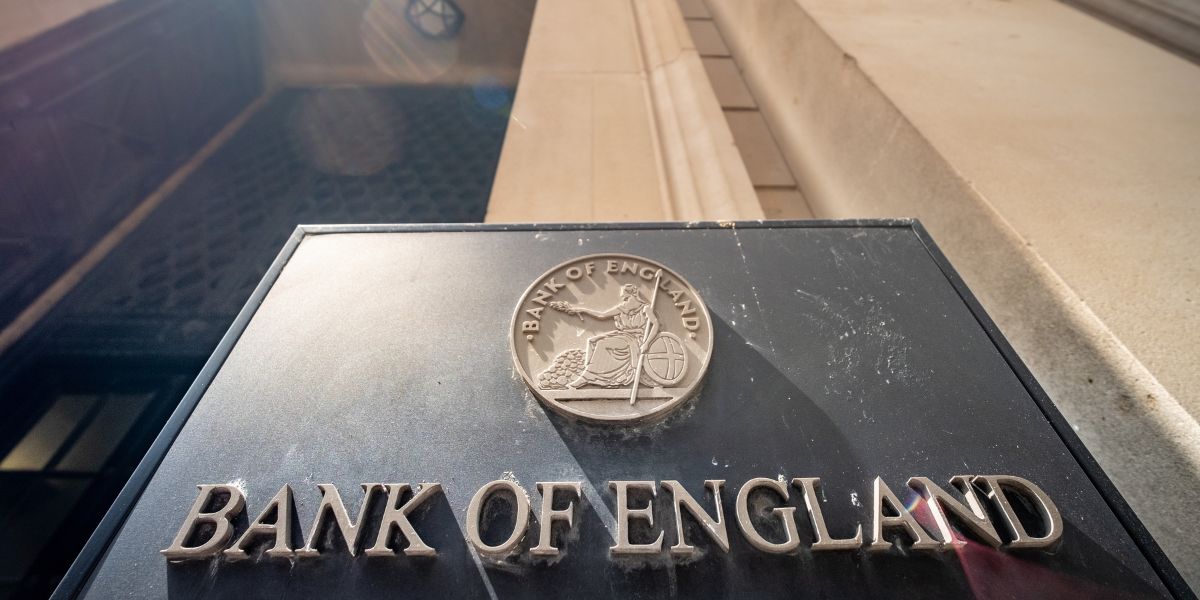
The next interest rate announcement is on 30 April and it’s clear the Bank of England is in a tight spot.
Will they cut interest rates to boost the economy, or hold them steady (or possibly even raise them) to try and get inflation under control?
The reality is that for the pound sterling, it’s a lose-lose scenario. Those holding lump sums or large savings in the bank will continue to see the purchasing power of their savings diminish over time either way.
By contrast, those who have moved their savings into assets like gold are better positioned to preserve their wealth.
This blog will cover what you need to know about the Bank of England’s next rate cut decision and why the pound sterling is effectively ‘damned if they do, and damned if they don’t’.
Inflation Pressures Haven’t Gone Away
Inflation in the UK is currently around 3% – still significantly above the Bank of England’s 2% target. And the uncomfortable truth is that there are growing signs it could remain elevated.
Ongoing conflicts, particularly in the Middle East, are causing volatility in energy prices globally. Spikes in the price of oil and gas have a ripple effect that impacts the price of everything else, from transport to manufacturing. This ultimately leads to higher everyday prices for consumers.
For the Bank of England, the risk is that cutting rates too soon could push inflation higher at a time when there are already external factors that could ultimately make everything more expensive.
Those saving in pounds have already watched prices climb rapidly in recent years and if the Bank of England cuts rates, it could add fuel to the fire.
Meanwhile, the UK Economy Is Struggling
Growth remains weak, consumer confidence remains low, and businesses are reluctant to borrow, invest or hire staff until interest rates are cut. This has led to increasing pressure on the Bank of England to cut interest rates to stimulate the economy.
Lowering interest rates would provide a short term boost to the UK economy at a time when the labour market is beginning to soften and unemployment is edging higher.
In the midst of this growing pressure to cut rates, if the Bank of England holds them steady or even raises them, it could be a sign that they see inflation as persistent and long term.
In simple terms, whether the Bank tightens or loosens policy, the underlying concern is the same: the purchasing power of the pound is under pressure.
Why This Matters for Savers
For traditional savers or anyone with lump sums held in pounds, it’s a lose-lose scenario.
If interest rates remain high, it’s a signal that elevated inflation is here to stay.
If interest rates are cut, the money supply will increase and the value of the pound will diminish even further.
Either way, the purchasing power of your savings is being eroded.
Why Gold is a Powerful Alternative
Gold is an asset with a limited supply. It can’t be printed out of thin air or inflated away. This is why for thousands of years, it has been used as a store of value during periods of inflation and currency debasement.
- Since 2000, the price of gold in pound sterling has grown by an average of around 12% per year
- In the last two years alone, the price of gold has nearly doubled
This rapid growth highlights a key point: despite short term fluctuations, the price of gold is proven to grow over the long term.
For TallyMoney customers, this creates a clear advantage.
By holding savings in gold, while still having the flexibility to spend in pounds (or any currency for that matter), Tally customers are better positioned to navigate an environment where:
- Inflation is persistently high
- Interest rate policy is uncertain
- The pound sterling is weakening
Whether rates are held or cut, the underlying challenges remain. Inflation, weak growth, and expanding money supply all point to continued erosion of the pound sterling.
In this environment, the question for savers is simple: how do you protect the purchasing power of your wealth?
For a growing number of people, the answer is clear: own assets. Why? Because over time, the effects of inflation and currency debasement make everything, especially assets with limited supplies, more expensive. Or put another way, it takes more and more pounds to purchase assets the longer you leave it.
And for many, when it comes to building savings, the best asset to own is gold.
Property can be great for capital gains but as an asset class, it is relatively expensive and slow to sell. Stocks provide dividends but are prone to crashes. The crypto market is volatile and risky.
Gold, on the other hand, is a stable, globally recognised asset that is proven to hold its value during times of inflation and currency debasement.
And in the digital age, TallyMoney gives you a modern, convenient way to build your savings in real LBMA-accredited gold while retaining the ability to spend and make payments in any currency. You can save in gold, and spend in cash.