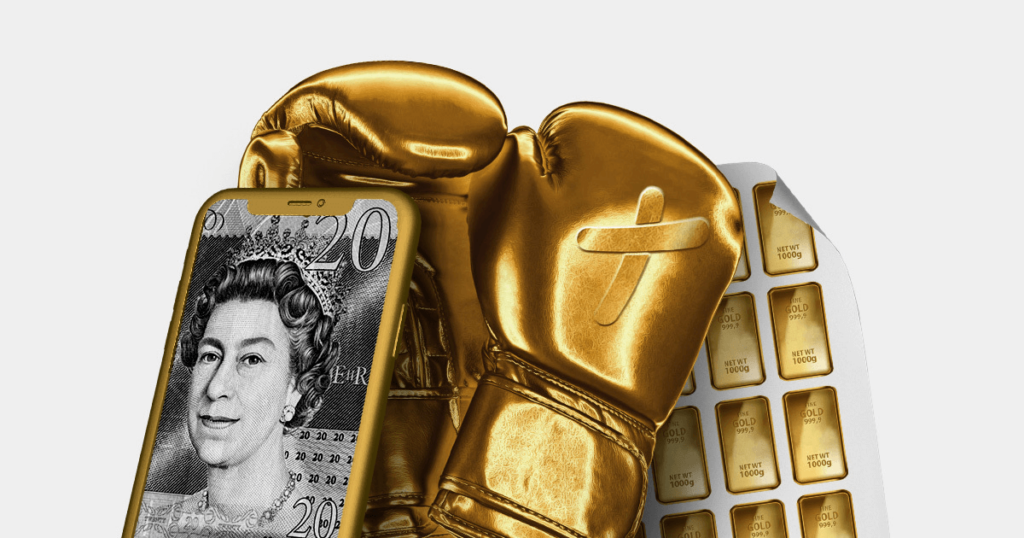
One thing is clear. Gold is growing in value. In fact, since the year 2000, gold has grown by an average of 12% per year relative to the pound sterling. And in the last 2 years alone, its price has more than doubled.
But will this trend continue, or will the pound suddenly make a comeback? This blog will unpack this question in detail but the short answer is simple:
The outlook in 2026 and beyond continues to look great for gold, and not so great for the pound.
Here’s why.
Inflation & money printing have not gone away
Inflation is still well above the Bank of England’s target of 2%. Even when headlines describe inflation as having “come down”, the reality is that it is still elevated and still silently eating away at the purchasing power of the pounds in your bank account.
That is why pretty much everything costs more today than it did even just ten years ago, from holidays to energy bills to everyday essentials.
And if inflation wasn’t bad enough for your savings, the government and Bank of England are continuing to increase the money supply. Why? Because national debt is at unsustainable levels and the government’s solution is to simply expand the money supply to effectively dilute the debt. While this might make the national debt “cheaper”, it also makes the pound sterling less valuable, meaning everyday Brits are being systematically impoverished.
The scary part is that this is not unique to the UK. The same pattern is playing out across all major economies:
- National Debt is unsustainably high
- Governments expand the money supply
- Inflation persists.
Against this backdrop, the outlook for the pound sterling in 2026 and beyond is, sadly, one of continued erosion.
National debt at unsustainable levels
UK national debt has now spiralled to over £2.7 trillion, according to the Office for National Statistics.
Even just the interest payments on this debt now exceed £100 billion annually.
To put that in perspective, we spend more on paying the interest of our national debt than we do on policing and education combined.
So where does the UK’s national debt crisis lead?
When the debt gets this big, governments don’t usually “pay it off” in real terms. Instead, the currency is silently debased over time. Inflation persists, and the Bank of England increases the money supply.
The idea is that £2.7 trillion won’t be worth as much in the future as it is today, in real terms.
The problem is that neither will the money you own.
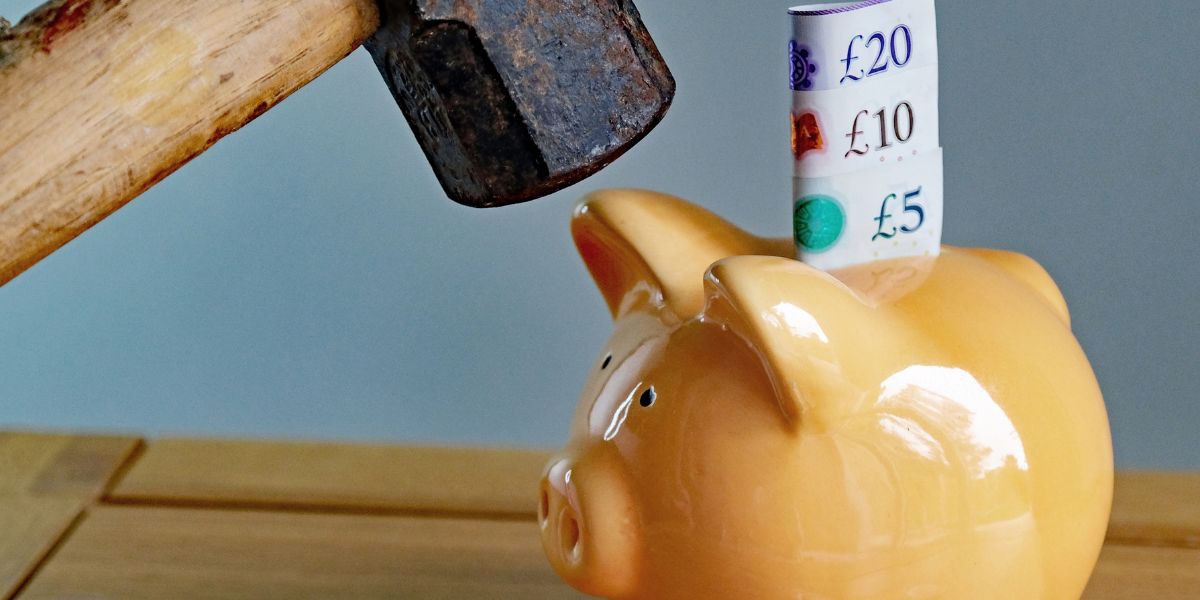
So if you’re holding your savings in pounds, you can expect a continued erosion of your purchasing power as the government continues quietly debasing the currency.
Geopolitical uncertainty remains high
As we head into 2026, the geopolitical environment seems more turbulent and volatile than ever.
Tariffs, trade wars, conflicts, and global tensions continue to create a sense of uncertainty. And while this is an uncomfortable period, it is also the kind of environment where gold grows.
For thousands of years, gold has been used as a ‘safe-haven asset’. And today, we’re seeing growing demand, not just by individuals, but from central banks and other institutions.
According to the World Gold Council, central banks have been buying gold at record levels in recent years, adding hundreds of tonnes annually to their reserves. And a recent survey by the World Gold Council reveals that central banks expect to continue buying gold in 2026.
When central banks are buying gold in record amounts, it suggests the tailwinds for gold are long term in nature.
The fundamental shift: gold is now functional
Whilst the pound is getting weaker, the reality is we still use it for buying groceries, paying our bills etc. Liquidity is important.
But in the age of technology, there is a fundamental shift taking place that is still early in its adoption curve…
You can save in gold, and spend in pounds (or any fiat currency for that matter).
TallyMoney enables this, and as gold becomes as liquid as cash, more and more people will start to store their savings in gold. This shift is likely to accelerate upwards price pressure on gold as it becomes more accessible.
With TallyMoney, you can:
- Convert pounds to real gold instantly through the app
- Spend in any fiat currency instantly with the Tally Debit Mastercard®
- Manage your account from the comfort of your smartphone
This changes the game.
Owning gold no longer comes with the burden of storing and insuring it yourself. It is no longer a static asset that you have to sell before you can use.
It has now been given a digital upgrade giving you the best of both worlds – the speed and liquidity of cash with the value preservation of gold.
So which is better for your savings in 2026?
The facts are very straightforward. The pound is weakening for several reasons:
- Persistent inflation
- Expanding money supply
- Geopolitical uncertainty
These are long term factors that aren’t going away any time soon.
By contrast, gold is growing because of:
- Its limited supply
- Growing institutional demand
- Currency debasement
- Lower real interest rates
And in the age of technology where you can store your savings in gold but spend and make payments in any fiat currency just as you would with your traditional bank account, the question is why store your savings in pounds at all?