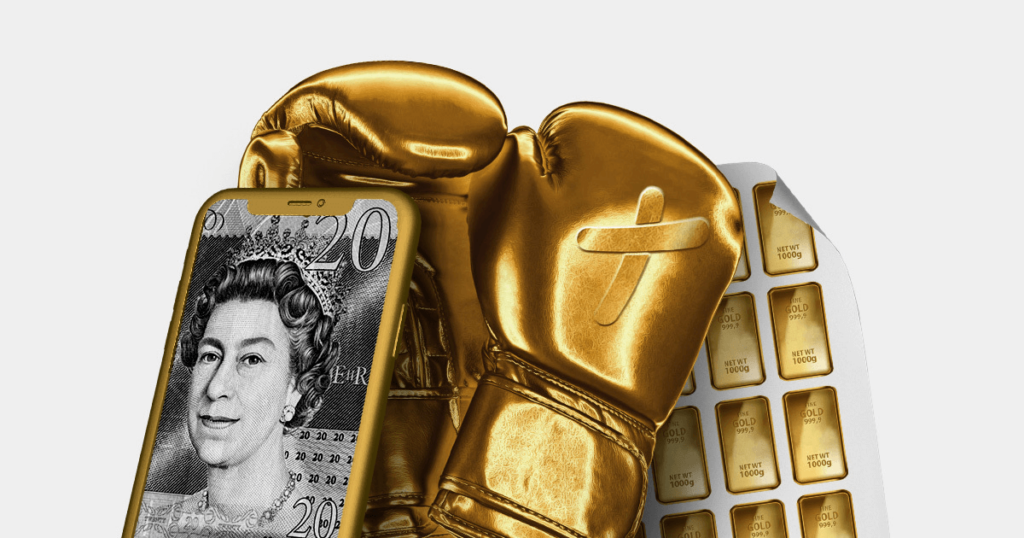

We are not even a full month into 2026 and gold’s price has already surged to all time highs, outperforming most stock markets and even the crypto market. At the same time, UK inflation has climbed back up, and geopolitical uncertainty continues to have a huge impact on markets.
Here’s a roundup of what happened in January, and why it matters.
Gold keeps growing!
Continuing its momentum from previous years, gold has already surged by over 14% since the start of the year, outperforming:
- Most stock markets
- Bitcoin and the broader cryptocurrency market
- Bank savings and ISA accounts (by a long way!)
There are a host of factors driving gold’s price appreciation, all of which are fundamental long term in nature.
Inflation and the debasement of fiat currencies like the pound sterling are the primary drivers, but geopolitical challenges are also a tailwind for gold’s price to surge as people and institutions look for a “safe haven” hedge.
Given the deep, long term nature of these drivers, gold’s incredible growth so far in 2026 could be just the start.
Institutions openly bullish on gold
In January, several major financial institutions became openly bullish on gold. Most notably, Goldman Sachs which raised its medium-term gold price forecasts, citing:
- Persistent inflation
- Continued central bank gold accumulation
- Geopolitical uncertainty
And it’s not only Goldman Sachs that believe in gold’s long term upward trajectory. Central banks have signalled that they will continue to buy gold throughout 2026.
A recent World Gold Council survey revealed that 95% of central banks expect to increase their gold reserves throughout 2026.
When major institutions are openly bullish and buying gold in record amounts, it’s worth taking notice.
Tariffs & Trade Tensions
January also saw more noise around tariffs and global trade tensions.
Continued geopolitical tensions, coupled with tariff threats between major economies has created a sense of uncertainty, contributing to higher costs for goods, supply chain disruptions, and concerns about slower global growth.
Historically, geopolitical uncertainty has always served as a tailwind for gold as people look for a ‘safe haven’ investment.
Why? Because gold can’t be printed out of thin air like money can, it can’t go bankrupt or get diluted like stocks can, and it has been used successfully for thousands of years as the world’s safe haven asset during times of economic uncertainty.
Inflation back up
Surprise, surprise! UK inflation is back up to 3.4%. This is well above expectations and significantly higher than the Bank of England’s 2% target.
So what does this mean for your money?
- The money in your bank account is losing purchasing power
- The interest offered by savings and ISA accounts is barely enough to keep up
- The more of your savings you hold in pounds, the more you are affected by rising inflation
Conversely, owning assets like gold means inflation works in your favour. Why? Because gold can’t be printed out of thin air like the pound can. This means it can be very rewarding to hold your savings in gold during times of inflation to preserve and even grow your wealth.
So What Does This Mean for 2026?
January didn’t create new trends, it confirmed existing ones.
- Inflation isn’t going away
- Geopolitical uncertainty is a tailwind for gold
- Major institutions are openly bullish on gold
- And most importantly… gold is growing
It’s important to remember that nothing ever goes up in a straight line, and gold could very well face short term price corrections. However, the long-term drivers of gold’s price appreciation aren’t fading, they’re strengthening.
And with UK inflation climbing back up, the question more and more Brits should be asking now is why save in pounds when you can save in gold?
At TallyMoney, we don’t think your savings should silently shrink while you’re busy living your life. January has been a reminder that owning gold is more important now than ever.